Make space for
a lighter day.
Swelling that has a plan behind it behaves differently from swelling that does not. Most of that plan is what you do at home, and we teach it properly.
Book your free consultation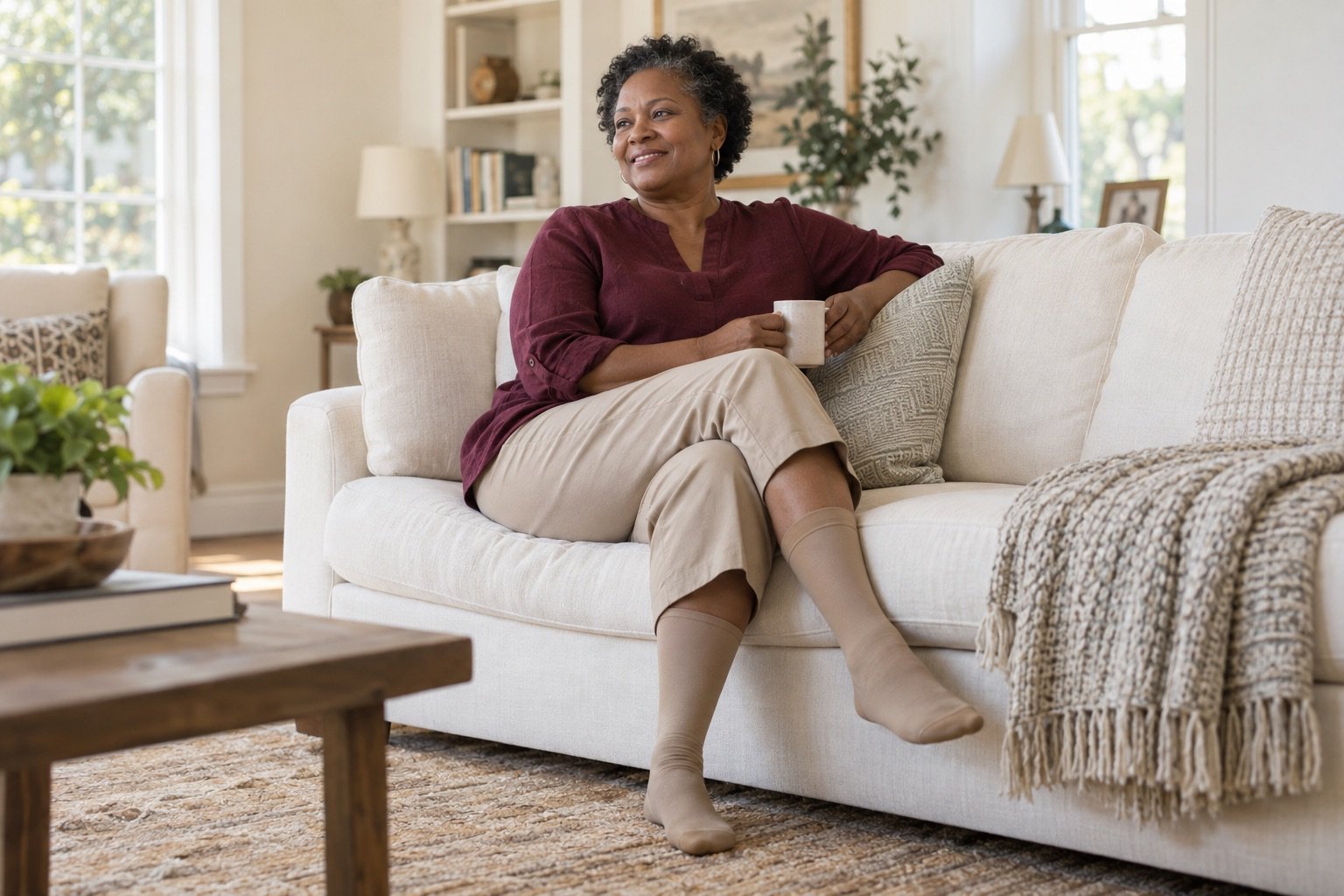
What lymphedema
actually is.
Your lymphatic system is a network of vessels and nodes that drains fluid out of your tissues and back into your bloodstream. It runs quietly in the background, and you never think about it until part of it stops keeping up.
When it cannot move fluid fast enough, that fluid stays in the tissue. The limb swells, it feels heavy or tight, and over time the tissue itself starts to change and firm up. That is lymphedema.
Can it go away?
It is worth answering this plainly, because most sites avoid it. Lymphedema is usually a long-term condition rather than one that resolves and never returns. What it is not is uncontrollable. With the right routine it can be reduced, held steady and kept from progressing, and many people manage it well for decades. The goal is control you can maintain yourself, not a course of treatment you depend on forever.
What people notice
first.
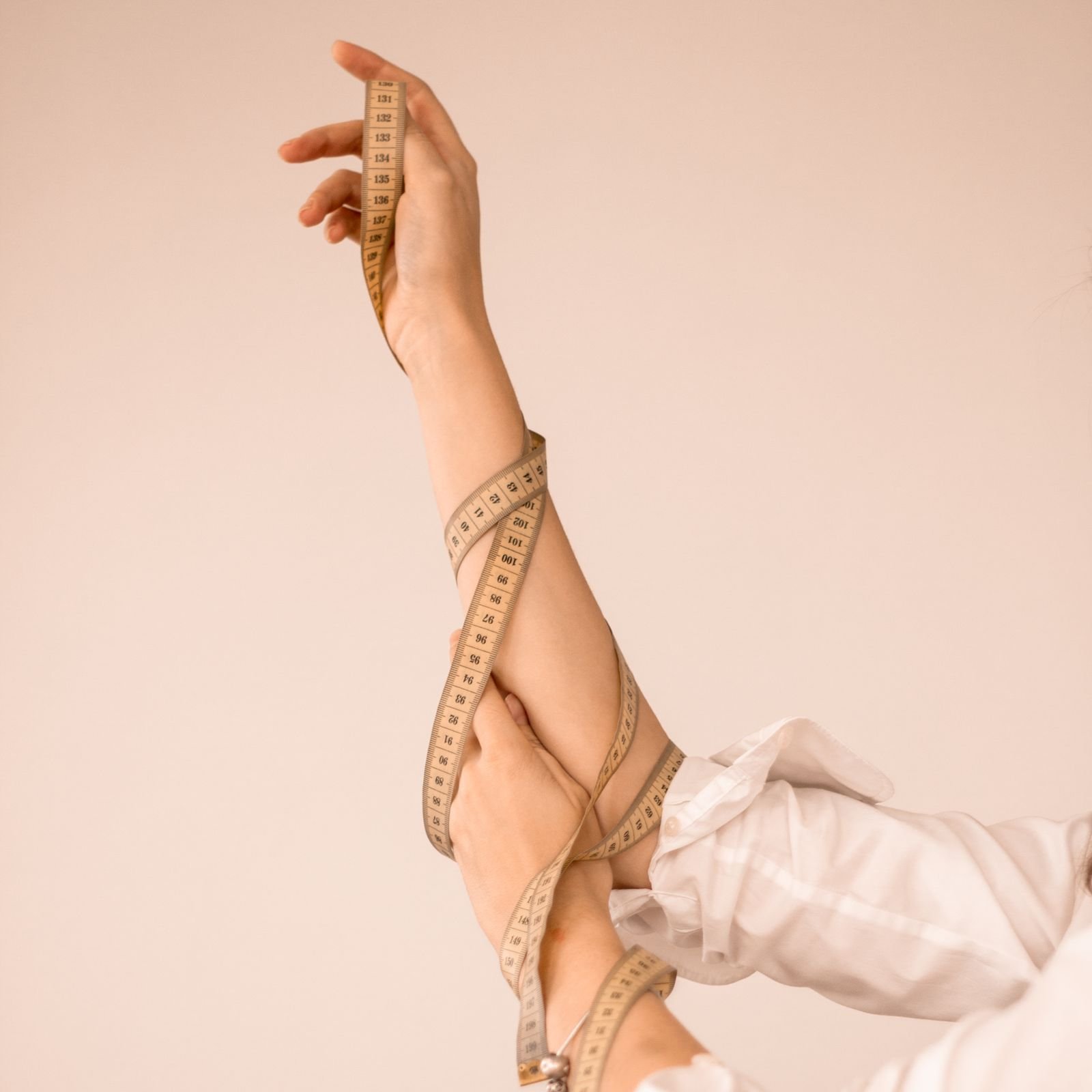
Swelling is not always the first sign.
Often it is something smaller than that.
- A ring, watch or shoe suddenly fits tighter
- Your sleeve or bra strap digs in on one side
- A limb feels heavy or full
- Tightness, aching or a stretched feeling
- Tingling, burning or itching
- One limb looks bigger than the other
- Skin feels thicker or firmer than it was
- Pressing leaves an indent that stays
- Veins and tendons have disappeared from view
- Stiffness or less movement in a joint
- Tight, painful cording under the arm
- Repeated skin infections in the same limb
If any of these are new, it is worth looking at early rather than waiting to see whether it settles. The free consultation is where we work out what we are dealing with.
Book your free consultationSwelling with sudden redness, heat, fever or pain that is getting rapidly worse needs medical attention that day, not an appointment next week. Please contact your doctor or an urgent care service.
Why it
happens.
After cancer treatment
The most common route. Removal of lymph nodes, sentinel node biopsy, radiation, and some chemotherapy can all affect how well the system drains. It is seen after breast, gynaecologic, prostate, melanoma and head and neck cancer treatment, and it can appear long after treatment finished.
After surgery, injury or infection
Scarring, trauma or repeated skin infections such as cellulitis can damage lymphatic pathways.
Other medical causes
Venous insufficiency, some heart and kidney conditions, and higher body weight can all contribute. Some people are born with a lymphatic system that does not drain well, which is called primary lymphedema.
Not everything that swells is lymphedema
Lipedema is a different condition that is frequently mistaken for it, and swelling can also come from the heart, kidneys or veins. Part of an assessment is working out what we are actually looking at and whether you need a medical opinion first.
What treatment
involves.
The recognised approach is complete decongestive therapy. It has five parts, and four of them are things you do yourself between appointments. That is the point. Our job is to make those four reliable.
- Manual lymphatic drainage. A specific, light technique that encourages fluid toward areas that still drain well. You can be taught to do this yourself, and self-drainage is a recognised skill rather than a compromise.
- Compression. Bandaging and garments, what to wear and when, how to care for them, and knowing when one has stopped doing its job.
- Movement. Muscles pump lymph. Exercise is prescribed rather than general, and progressed as your limb responds.
- Skin and nail care. The single most underrated part. Intact skin is what keeps cellulitis away, and cellulitis is what sets people back.
- Knowing your own condition. Measuring and tracking, spotting a flare early, planning for flights and heat, and knowing which signs mean call someone today.
Virtually,
or in person.
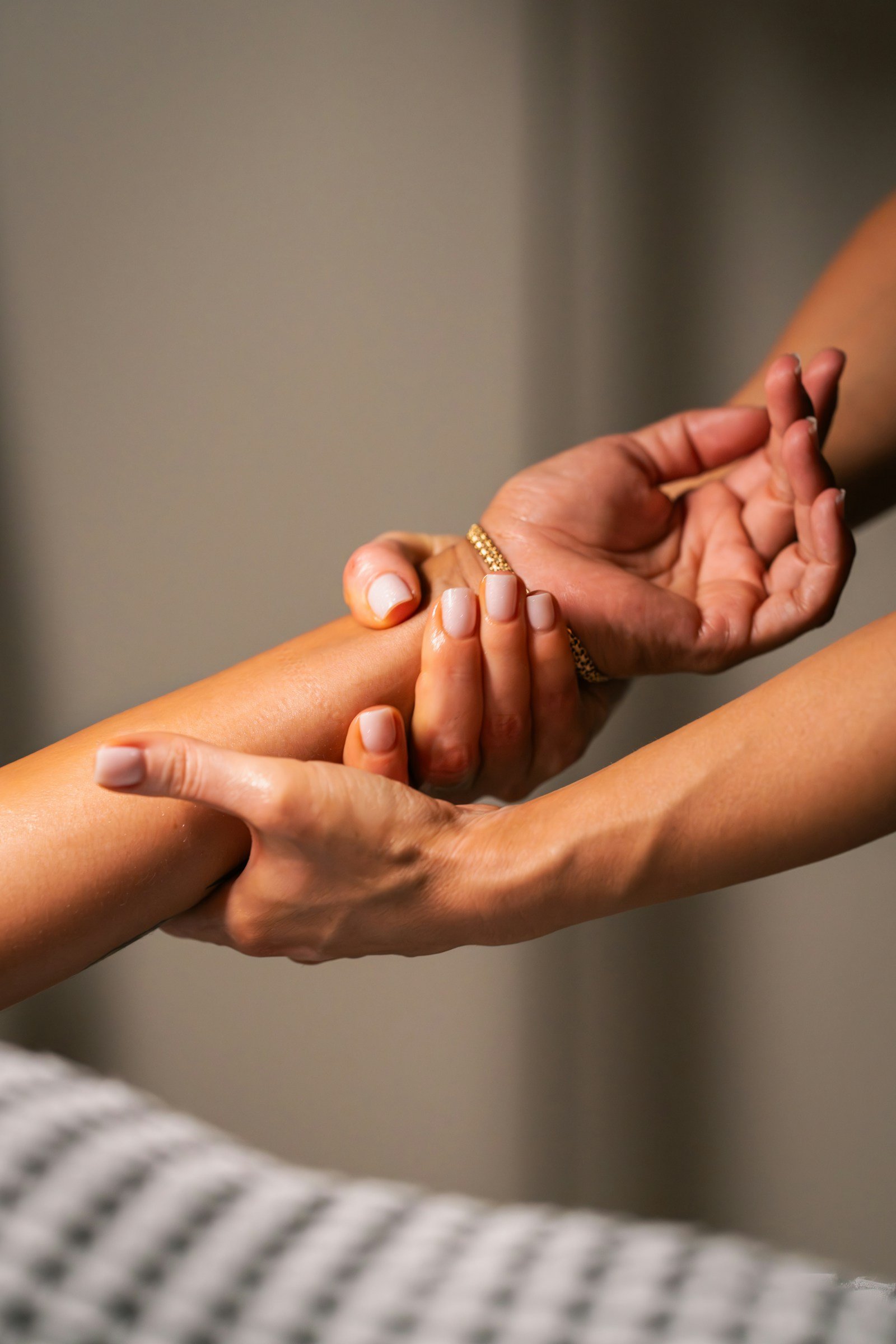
Lymphedema is managed daily, at home, by you. Most of what decides how well it goes is technique and consistency, and those are things we can watch, correct and progress when we meet virtually. Being in your own space helps, because the routine gets built around your actual sink, your actual chair and your actual day.
Some of it does need hands, and we will say so rather than let you find out later.
- Works well virtually: risk assessment and screening, teaching and correcting self-drainage technique, self-bandaging coaching, exercise programming and progression, skin care and infection warning signs, self-measurement and tracking, garment wear and replacement, compression pump technique, flare and travel planning, and training a partner or family member to help.
- Needs in person: therapist-delivered manual lymphatic drainage, intensive multi-layer bandaging, professional garment measurement and fitting, and wound care.
- Needs a doctor first: suspected cellulitis, suspected blood clot, or swelling from an uncontrolled heart or kidney condition.
In-person visits are available to a limited number of patients. Ask us and we will tell you honestly whether hands-on care is the right fit for you, rather than book you in and work it out afterwards.
Your questions,
welcome here.
Is this the same as a lymphatic massage?
No, although people often arrive using that word. Manual lymphatic drainage is a specific clinical technique using very light pressure in a particular sequence. A deep tissue massage on a lymphedematous limb can make things worse.
Do I have to wear compression forever?
Compression is usually part of long-term management, but what you wear, how much, and when can change a great deal as your limb responds. It is reviewed, not fixed.
I finished cancer treatment years ago. Can it still start now?
Yes. Lymphedema can appear months or years after treatment ends, and a late start does not mean anything has gone wrong. It is worth getting assessed early rather than waiting to see whether it settles.
Can I still exercise?
Yes, and you should. The old advice to protect the limb by resting it has been overtaken. Muscle activity moves lymph. What matters is how exercise is introduced and progressed, which is something to plan together.
Can you teach me to do the drainage myself?
Yes, and that is usually the goal. Self-drainage is an established skill with published techniques for each part of the body, and a partner or family member can be taught to help.
Do I need a referral, and what does it cost?
Referral rules depend on where you live and on your insurance plan. Ask us before you book and we will give you a straight answer on both, including what documentation you would get for a claim.
Start with a free
consultation.
A short conversation about what has been going on. No charge, no commitment, and nothing happens that you have not agreed to.
- Tell us what is happening, in your own words
- Ask anything, including the parts that feel awkward
- Find out whether we can help, and whether virtual or in person suits you
- Decide afterwards. There is no obligation to book anything
Pick a time that suits you. You will get a confirmation by email straight away.
Choose a time