Care for the things
you rarely talk about.
Leaking, heaviness, urgency and pain with sex are common. None of them are something you have to live with, and none of them are too personal to bring here.
Book your free consultation
What pelvic floor
therapy actually is.
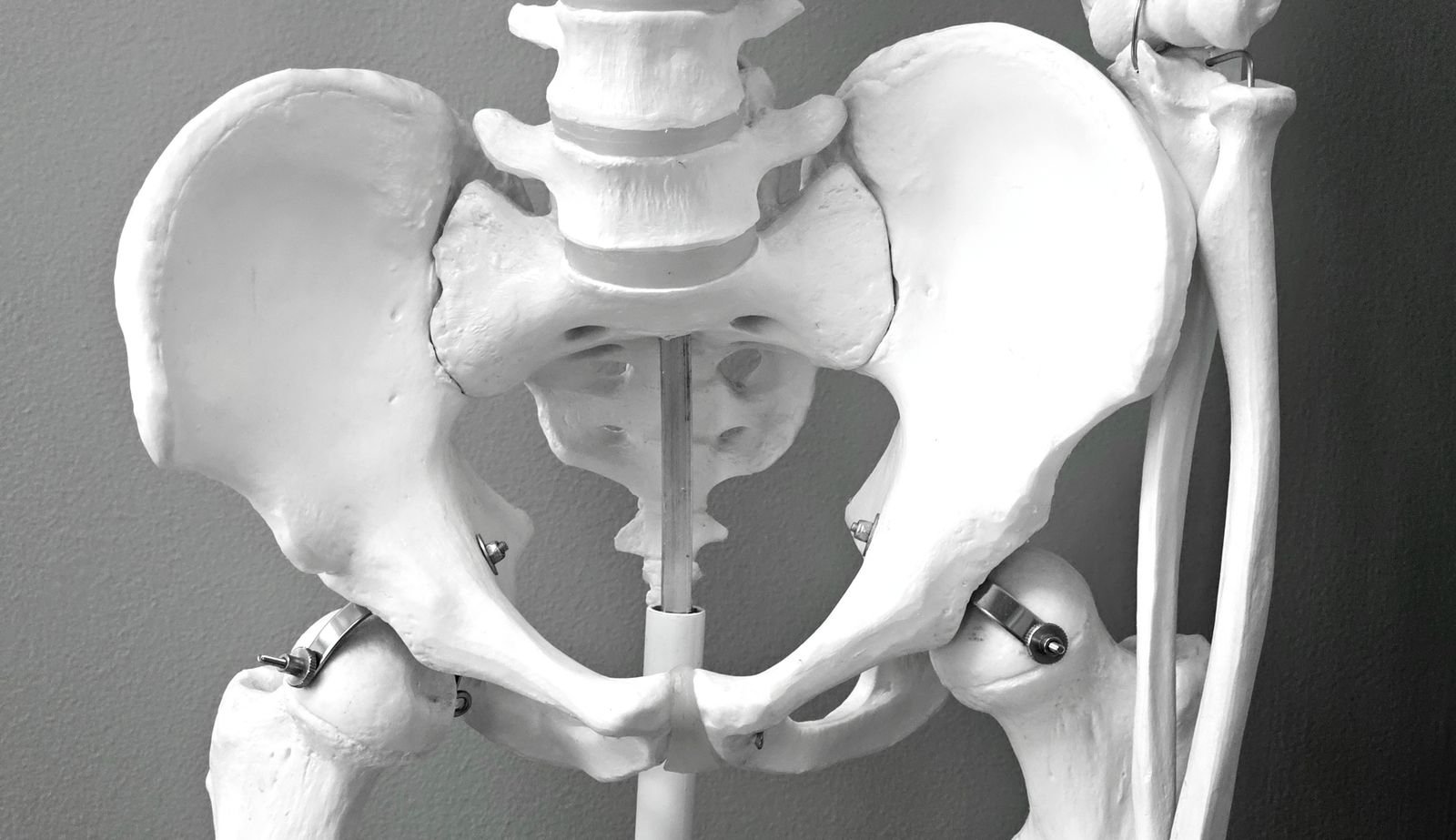
Your pelvic floor is a sling of muscle at the base of your pelvis. It holds up your bladder and bowel, and your uterus if you have one. It closes when you cough, lift or laugh, and it opens when you go to the bathroom. It is also part of how you breathe and how you move.
Like any other muscle group, it can become weak, or too tight, or simply uncoordinated. You notice that as leaking, heaviness, urgency or pain. Pelvic floor physical therapy is how those muscles get assessed and retrained. It is the same kind of work as rehabilitating a shoulder, done on muscles most people were never taught they had.
If you have been told to just do Kegels
That advice is right for some people and exactly wrong for others. A pelvic floor that is already too tight does not need more squeezing, and more of it can make symptoms worse. Working out which one you are is the point of an assessment.
Does any of this
sound familiar?
These are the things people tell us in the first few minutes.
If one of them is yours, you are in the right place.
- You leak when you cough, laugh, run or lift
- You need a bathroom urgently, or constantly
- You never quite feel empty
- Something feels heavy, or like it is falling
- Sex hurts, or penetration is not possible
- Tampons or pelvic exams are painful
- You cannot always control gas or stool
- You are constipated and straining
- Your stomach still separates or domes
- Low back, hip, tailbone or pelvic pain
- Scar tissue from birth or surgery feels tight
- You feel less than you used to
Recognising one of these is enough to start. The free consultation is a conversation about what is going on, with nothing attached to it.
Book your free consultationWhat we
treat.
Bladder and bowel
Stress incontinence and urge incontinence, urgency and frequency, trouble emptying fully, constipation and straining, and loss of bowel or gas control.
Pregnancy, birth and afterwards
Pelvic and back pain during pregnancy, preparing for birth, abdominal separation, perineal and caesarean scar recovery, and getting back to exercise without pushing into symptoms.
Pain and intimacy
Painful sex, also called dyspareunia. Vaginismus, vulvodynia, pain related to endometriosis, and bladder pain syndrome. Pain at entry, pain that lingers for hours afterwards, and discomfort with tampons or exams.
Prolapse and pressure
Pelvic organ prolapse, the sensation of heaviness or bulging, and learning to manage lifting, exercise and daily load so symptoms settle rather than build.
Men’s pelvic health
Pelvic pain, bladder control after prostate surgery, and pain that has been treated as something else for a long time.
Perimenopause and menopause
Changing tissue, new urgency, discomfort, and the return of symptoms you thought were behind you.
What treatment
involves.
Pelvic health care is mostly education, retraining and practice. Very little of it looks like what people picture before they arrive.
- Your story first. What is happening, how long it has been happening, and what you want to be able to do again.
- An assessment of how you move. Breathing, posture, hips, and how you load your body through the day.
- Bladder and bowel habits. The patterns sitting underneath urgency and leaking.
- Finding the muscles. Learning to contract them, and just as importantly to let them go.
- Breath and pressure work, so you stop bracing against your own pelvic floor.
- Strength for the hips, core and deep stabilisers, because the pelvic floor does not work alone.
- Bladder retraining for urgency and frequency.
- Scar self-massage, taught properly rather than handed over on a sheet.
- Dilator progression, where it is the right fit, at a pace you set.
- A plan for lifting, exercise and getting back to what you enjoy.
Virtually,
or in person.
Most pelvic health care is assessment, teaching and coaching, and that works well when we meet virtually. You get it from your own home, with no waiting room and no travel, and the exercises get taught in the room where you will actually do them.
We are straight with you about the edges of that. Some things need hands, and we will tell you when yours is one of them.
- Works well virtually: history and symptom mapping, bladder and bowel review, movement and breathing assessment, learning to contract and release, urgency retraining, scar self-massage, dilator progression, strength programming and progression.
- Needs in person: internal assessment, hands-on manual therapy, and biofeedback equipment.
You will never be asked to undress or show any part of your body on camera. In-person visits are available to a limited number of patients. Ask us and we will tell you honestly whether you are one of them.
Your questions,
welcome here.
Is this embarrassing?
Most people arrive expecting it to be, and say afterwards that it was not. You are talking to someone who has these conversations every working day, about the exact thing you have been carrying on your own. Nothing you say will be a first.
Will I need an internal examination?
Not during a virtual appointment. Ever. For an in-person visit, an internal assessment is one option among several. It is explained before it is offered, it uses one gloved finger rather than a speculum, and it is always your choice. No is a complete sentence. You can decline it, pause it, or stop partway through, and your care continues either way.
What should I wear, and where do I need to be?
Comfortable clothing you can move in, and somewhere private where you can speak freely and have enough floor space to lie down. That is the whole list.
Can someone be with me?
Yes. Bring a partner, a friend or a family member if it helps you feel comfortable. It is your appointment.
What if I am on my period, or have not shaved?
Neither matters, and neither changes the care you get. Bodies are bodies.
Do I need a referral from my doctor?
That depends on where you live and on your insurance plan, and those are two separate rules. Ask us before you book and we will tell you what applies to you.
What does it cost, and do you take insurance?
Ask us directly and you will get a straight answer before you commit to anything. We would rather tell you up front than have you find out afterwards.
My symptoms started years ago. Is it too late?
No. Pelvic floor muscles respond to training at any age, and at any distance from the birth, surgery or injury that started it. Long-standing symptoms are common here and they are not a reason to expect less.
Start with a free
consultation.
A short conversation about what has been going on. No charge, no commitment, and nothing happens that you have not agreed to.
- Tell us what is happening, in your own words
- Ask anything, including the parts that feel awkward
- Find out whether we can help, and whether virtual or in person suits you
- Decide afterwards. There is no obligation to book anything
Pick a time that suits you. You will get a confirmation by email straight away.
Choose a time